A little history
James Oglethorpe laid out Savannah in 1733 around a repeating ward plan — four residential tything blocks and four trust lots around a central square. Twenty-two of the original twenty-four squares survive, which is why the district reads the way it does. The 1820 fire, the cotton boom, and the postwar decline each rewrote the housing stock, and by the 1950s demolition was routine. Seven women stopped the wrecking ball on the Isaiah Davenport House in 1955 and founded the Historic Savannah Foundation, which is the reason the district exists in its current form and why it became a National Historic Landmark District in 1966.
The market today
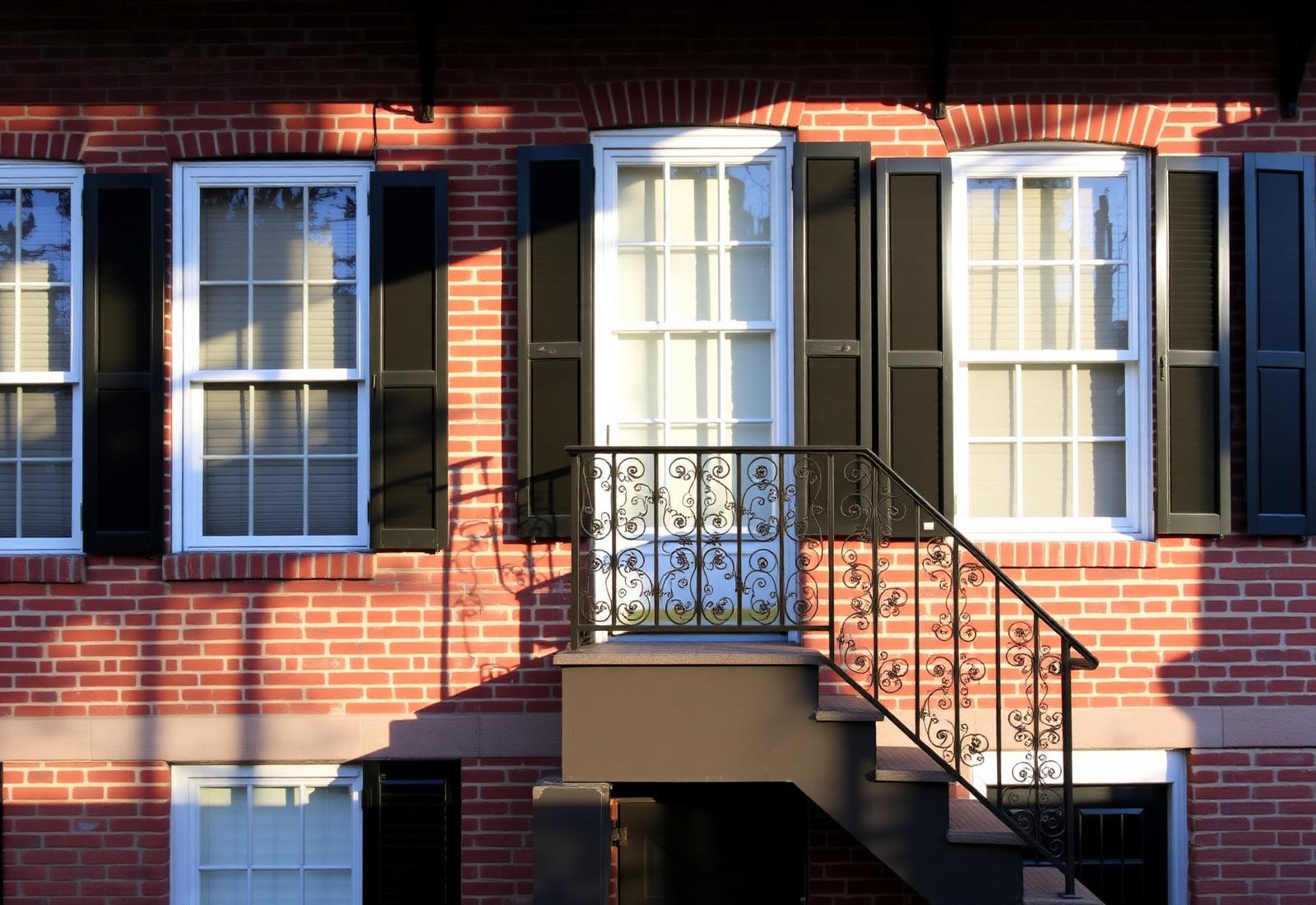
Inventory ranges from a one-bedroom condo carved out of a 19th-century rowhouse to a fully restored mansion on a trust lot facing a square. Most parcels are under a tenth of an acre with no off-street parking, and exterior changes fall under Historic District Board of Review jurisdiction. Buyers should budget for older systems, tabby and brick foundations, and flood-zone verification south of Bay Street.
What to know before you buy
- Historic District Board of Review governs exterior alterations
- Parking is street-side or leased; very few private garages
- Short-term rental permits are capped by ward — verify before you buy
Neighborhood descriptions cover architecture, history, price bands, and physical characteristics only. All properties are offered without regard to race, color, religion, sex, handicap, familial status, or national origin. Verify school attendance zones with the district and flood zones with FEMA before making an offer.